In our PBN information category you will find in-depth information relating to all manner of PBN related topics. Including things such as; technical information, getting the most power from your domains, tips on how to build a PBN, advice relating to general PBN topics. And all manner of other interesting PBN information. All of which can be extremely useful, helpful and stop you from falling in to known pitfalls by accident.
Learn everything you need to know about Private Blog Networks. Discover hints, tips and best PBN practices. This information can be invaluable to both you & your PBNs. Written by PBN experts that really want you to succeed. Reading through our posts, you will discover some really interesting information about PBNs. Written to both help & educate you. So you can increase you PBN knowledge. And really ensure that you are getting the best from your PBNs.
You may also find out general SEO advice section interesting as well. The information in that category, is more about your money site. Which is of course one of the most important elements. So its well worth a read through. This section focuses on the actual PBNs themselves. And all the major factors around them.
Walk into any conversation about PBN quality and you’ll hear the same vocabulary: DR, DA, TF, CF. Operators obsess over these numbers — buying domains by them, pricing links by them, filling dashboards with them, refreshing them every few months to see which sites are strong and which are weak. And those metrics do carry…
Read more

Ask a PBN operator how they protect their network from discovery and you’ll hear a lot about blocking crawlers. Block Ahrefs. Block Semrush. Block Majestic. Keep the backlink scrapers out so competitors can’t map which sites link to which money sites. It’s sensible — hiding your link graph from the commercial backlink tools genuinely does…
Read more
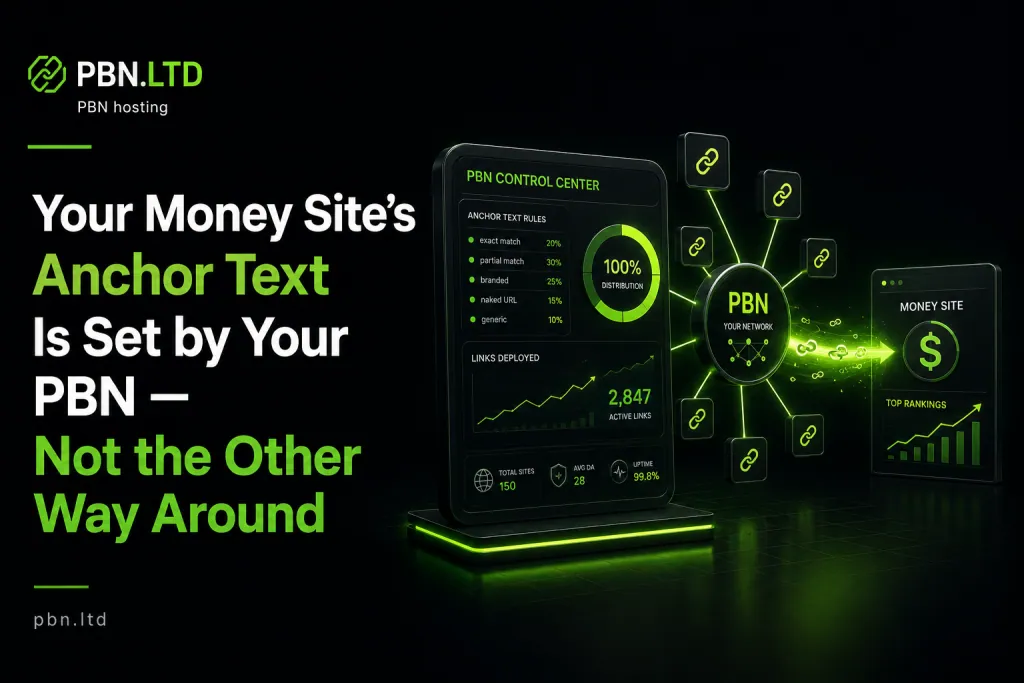
Most operators approach anchor text one link at a time. They’ve got a money site targeting a keyword, they’re placing a PBN link, and the question in their head is: what’s the best anchor for this link? Usually the answer they reach for is the exact keyword they want to rank for, because that’s the…
Read more
For years, negative SEO was mostly a boogeyman — the fear that someone could point a pile of toxic links at your site and get you penalised. Google got good enough at ignoring unearned links that the threat largely faded. But in 2026 a genuinely effective negative-SEO weapon has emerged, and it has nothing to…
Read more
Most operators worry about the wrong failure mode. They picture the dramatic one: a manual action, a deindexed site, a penalty notice in Search Console, a sudden ranking collapse. That does happen, but it’s rare and it’s loud — you know when it happens. The far more common fate of a PBN link is quiet,…
Read more

On 3 June 2026, something happened that quietly invalidated a measurement a lot of PBN operators have relied on for years. Cloudflare published data showing that, for the first time in the history of the open web, machines now generate more traffic than humans — 57.5% of HTML requests come from automated systems, against 42.5%…
Read more
There are two unreliable narrators in SEO. The first is Google, whose public statements are carefully worded, frequently incomplete, and shaped by the fact that it would prefer you didn’t manipulate its rankings at all. The second is the SEO community, whose collective wisdom is a mixture of hard-won experience, outdated folklore, superstition, and confident…
Read more
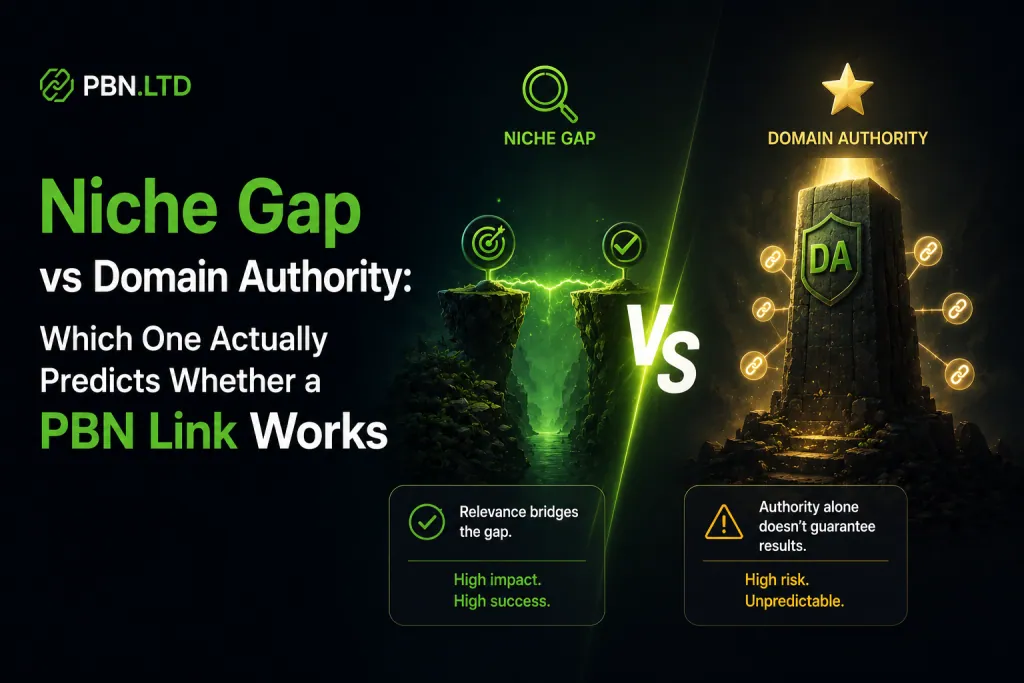
The way most PBN operators evaluate domains before acquisition follows a predictable sequence: check Domain Rating or Domain Authority, look at referring domain count, review Trust Flow, and if the numbers pass a threshold, proceed. Niche relevance — the actual topical relationship between the acquired domain and the money site it will link to —…
Read more

Every PBN operator reaches this point eventually. A site in the network drops out of Google’s index, starts showing signs of algorithmic devaluation, or simply stops behaving the way it used to. Rankings it was supporting begin to soften. The decision that follows is one of the most consequential and least-discussed in PBN management: do…
Read more
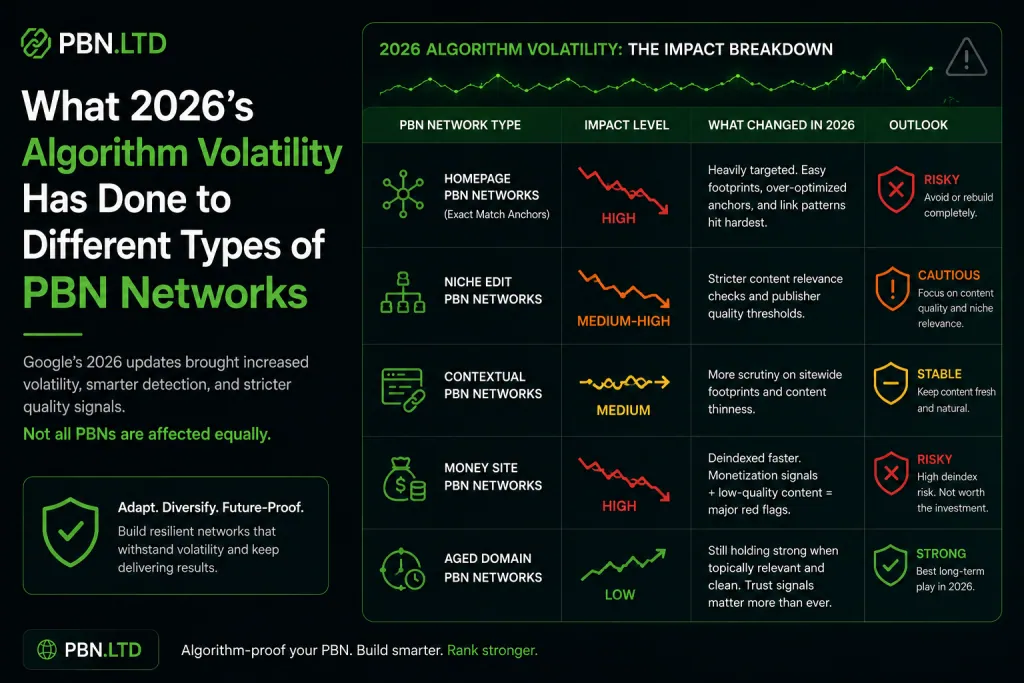
Not all networks experienced 2026’s algorithm volatility the same way. Some came through the March core update and accompanying spam enforcement with rankings intact — and in some cases improved. Others lost the majority of the link value they’d spent years accumulating, seemingly overnight. From the outside, these might look like equivalent operations: a collection…
Read more
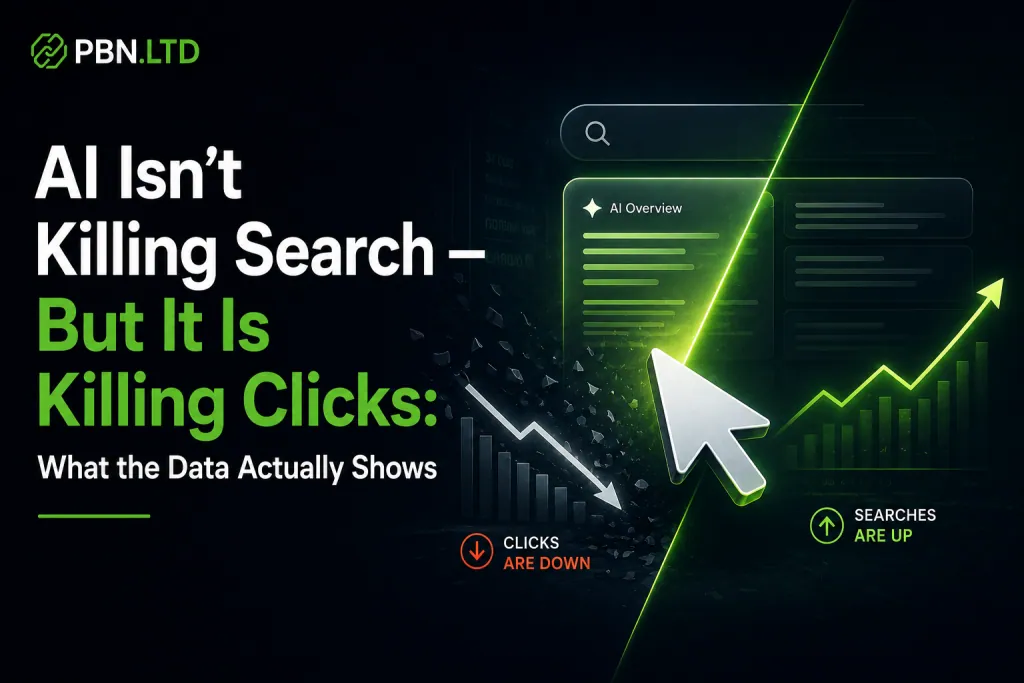
Two parallel conversations are happening in SEO simultaneously, and they’re producing contradictory conclusions. In one conversation, AI is destroying search. Google’s days of dominance are numbered, ChatGPT is eating its lunch, and anyone who still builds link strategies for organic rankings is optimising for a channel in terminal decline. In the other conversation, search is…
Read more
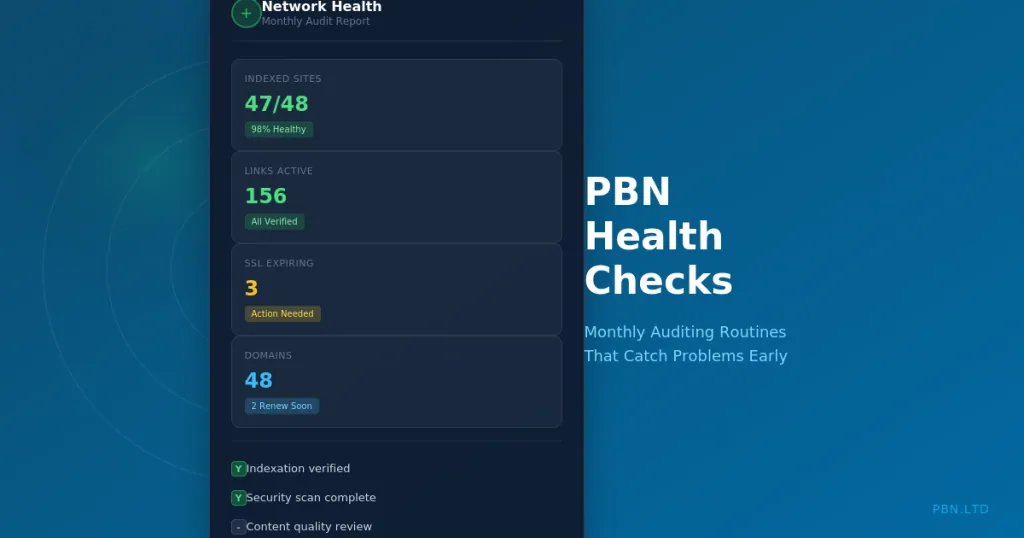
Networks decay. Sites lose indexation. Domains expire. Links break. Content becomes outdated. Security vulnerabilities appear. Without systematic monitoring, small problems become catastrophic failures before anyone notices. The operators who maintain effective PBN networks for years share one common practice: regular health checks. They catch problems early when solutions are simple and cheap. They never discover…
Read more
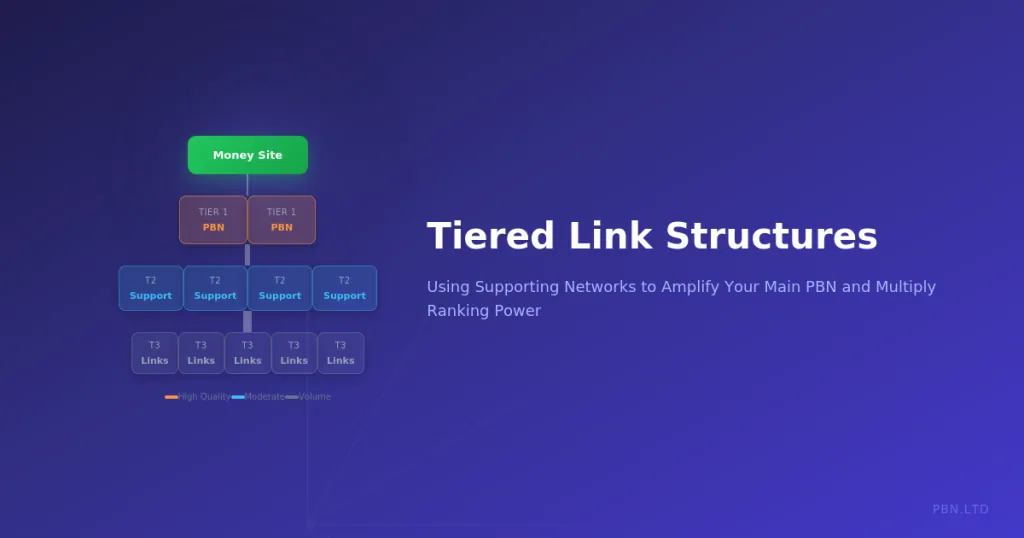
A PBN site linking directly to your money site is only as powerful as its own authority allows. Sites with weak backlink profiles pass limited value regardless of how well they are built. Tiered link structures solve this by building supporting networks that strengthen your main PBN sites. The concept is straightforward. Tier one sites…
Read more
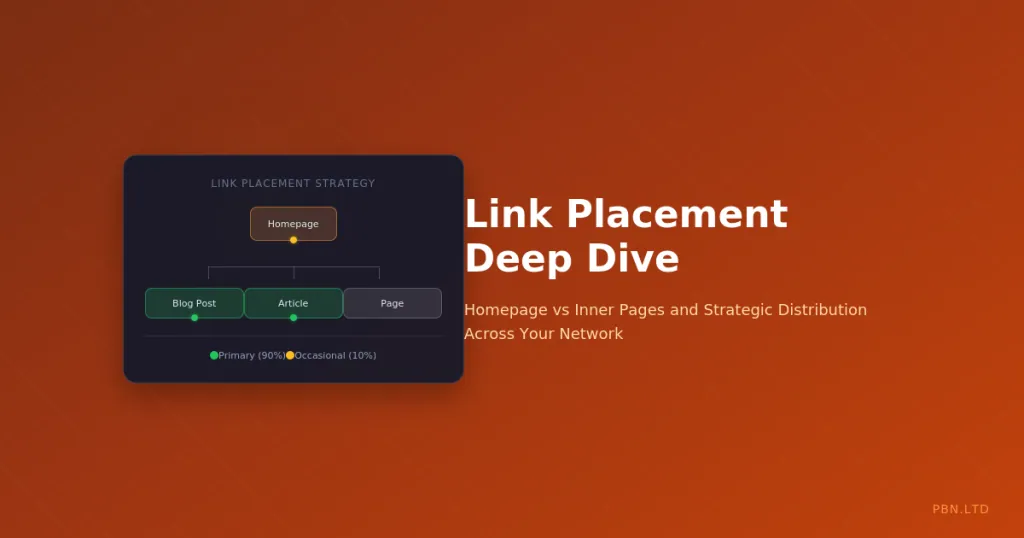
Where you place links on PBN sites affects their value, their detectability, and their long-term sustainability. A link from the homepage carries different weight than a link buried in a three-year-old blog post. A link in the main content differs from a link in the sidebar. Understanding link placement strategy helps you extract maximum value…
Read more
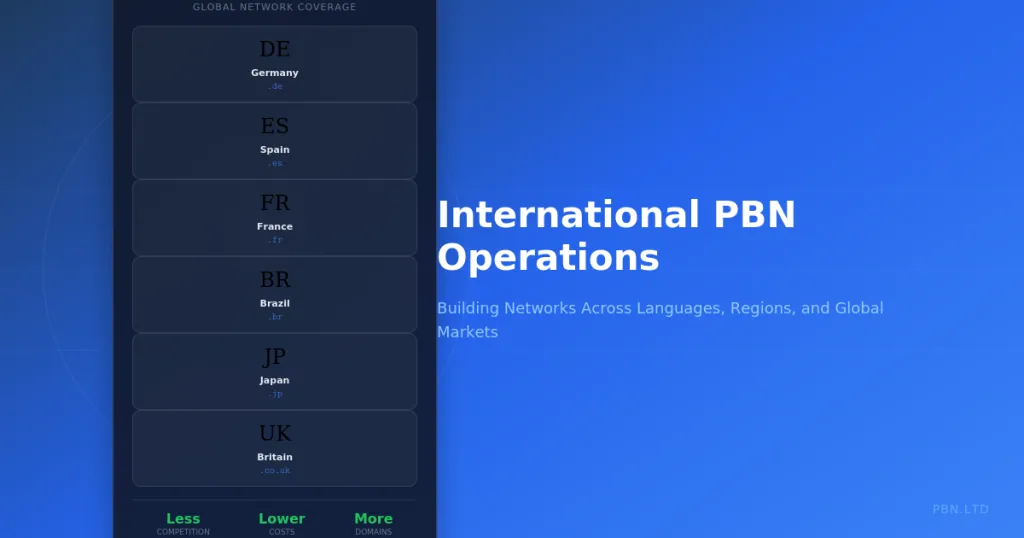
English-language PBNs dominate discussions about private blog networks, but enormous opportunities exist in other languages and regions. International markets often have less competition, more available domains, and lower costs while serving money sites targeting global audiences. Building international PBN networks introduces unique challenges. Language barriers affect content creation. Regional domain markets operate differently. Cultural considerations…
Read more
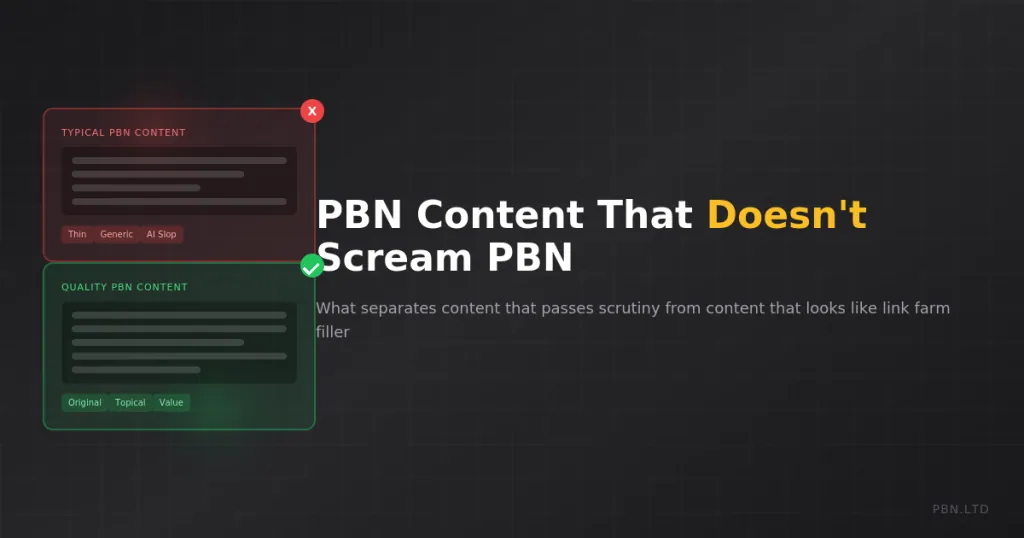
You can spot a PBN site in seconds. Generic stock photos. Thin articles that say nothing. Random topics with no coherence. A single outbound link to some commercial page that has nothing to do with anything else on the site. If you can spot it, so can Google. And so can the manual reviewers who…
Read more
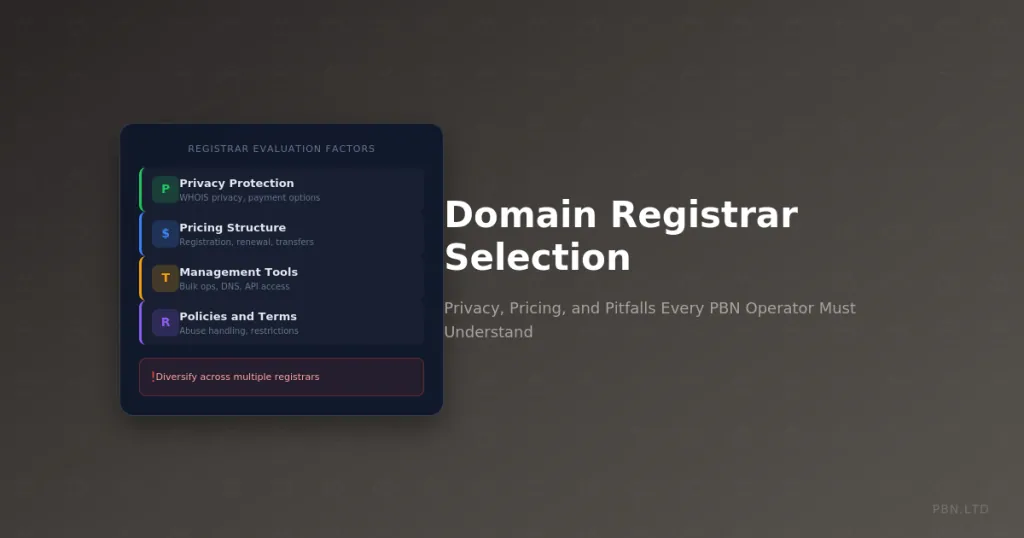
Your choice of domain registrar affects PBN security, operational efficiency, and long-term costs. Different registrars offer varying levels of privacy protection, pricing structures, and management features. Some registrars actively support privacy-conscious users while others expose owner information or impose restrictive policies. For PBN operators, registrar selection extends beyond simple domain registration. You need to consider…
Read more
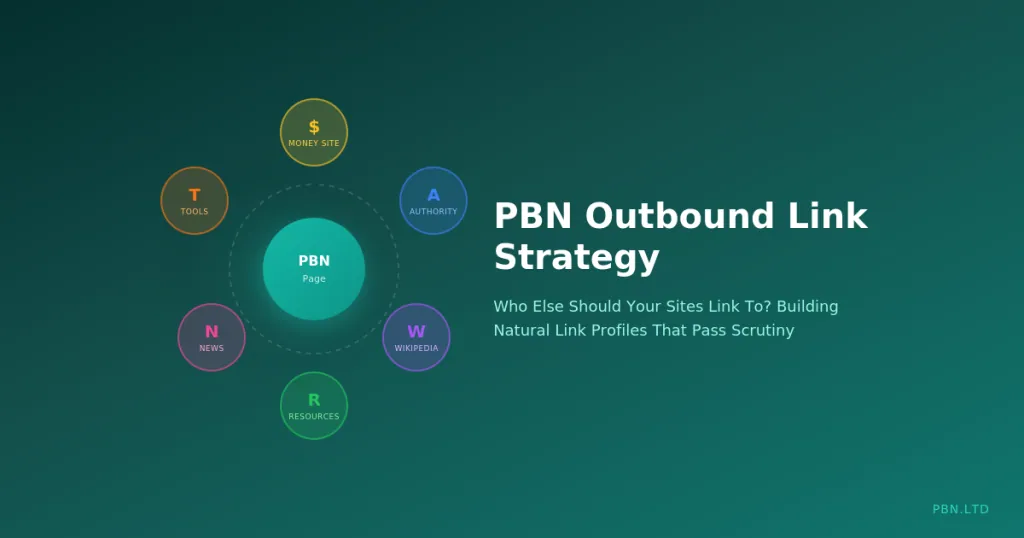
A PBN page with a single outbound link to your money site is a red flag. Real websites link to multiple sources. Real content references various authorities, resources, and related information. A page that links to exactly one commercial site and nothing else screams manipulation. Strategic outbound linking makes your PBN sites look legitimate while…
Read more
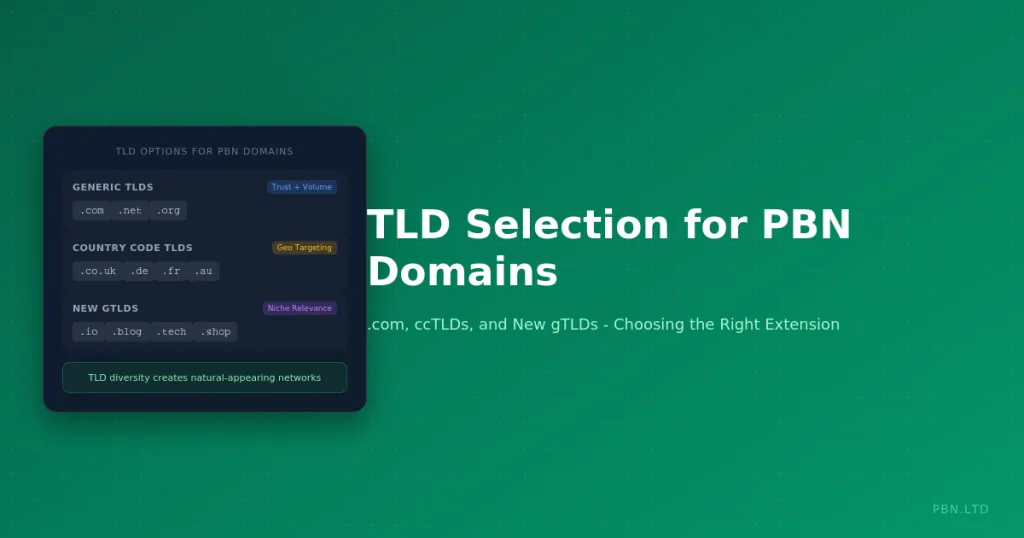
The top-level domain you choose for PBN sites affects perceived legitimacy, geographic targeting, availability, and cost. While .com remains the default choice for many operators, country-code TLDs and newer generic TLDs offer advantages worth considering. TLD selection also impacts footprint management. Networks composed entirely of .com domains look different from networks with TLD diversity. Understanding…
Read more
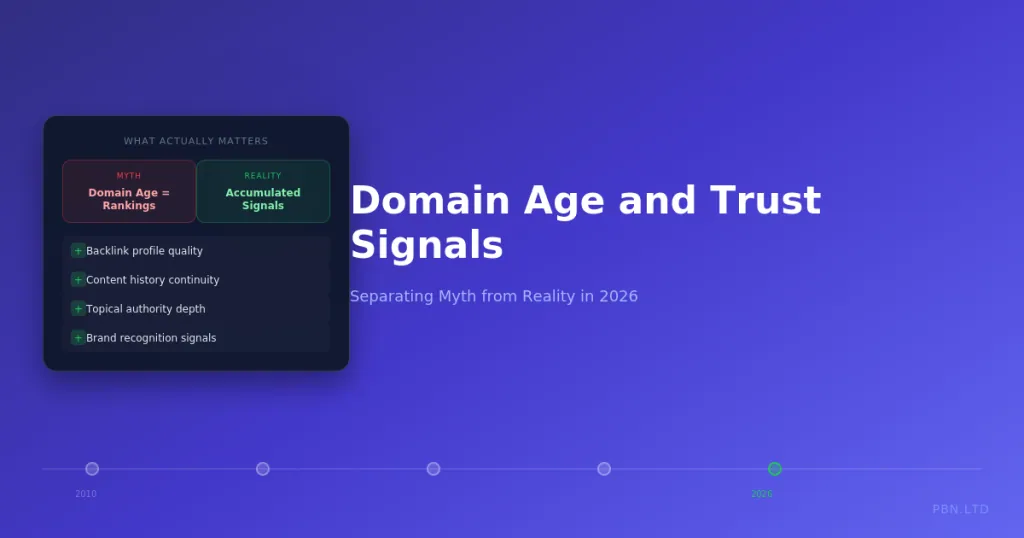
Domain age remains one of the most discussed and most misunderstood factors in SEO. Operators chase aged domains assuming older automatically means better. But the relationship between domain age and ranking power is more nuanced than simple years-since-registration. Trust signals extend far beyond age. Google evaluates domains through multiple dimensions that together indicate whether a…
Read more
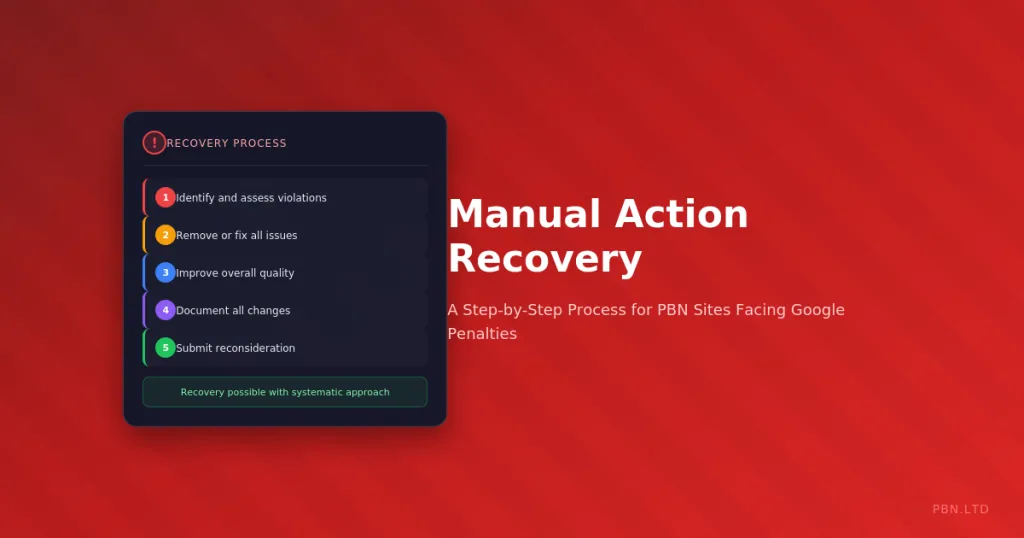
Manual actions represent Google’s explicit determination that a site violates their guidelines. Unlike algorithmic penalties that happen automatically, manual actions involve human reviewers flagging specific violations. For PBN operators, manual actions on network sites can devastate link value and require careful recovery efforts. Recovery is possible but not guaranteed. Success depends on understanding what triggered…
Read more
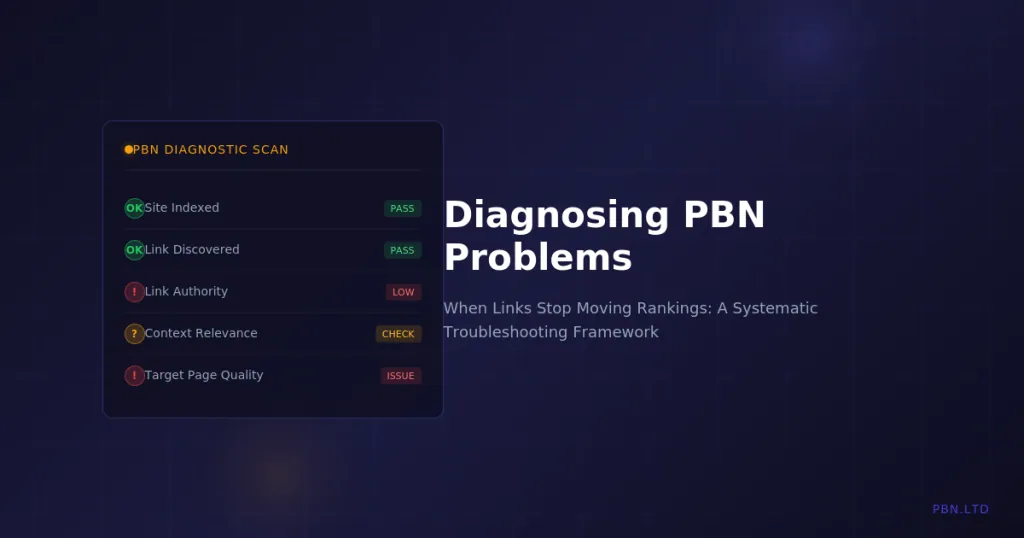
You built the links. You waited. Nothing happened. Or worse, it worked for months, then stopped. Rankings plateaued or dropped. The PBN links that once moved needles now seem to do nothing at all. This is one of the most frustrating situations in SEO. You know you have link equity pointing at your pages. You…
Read more
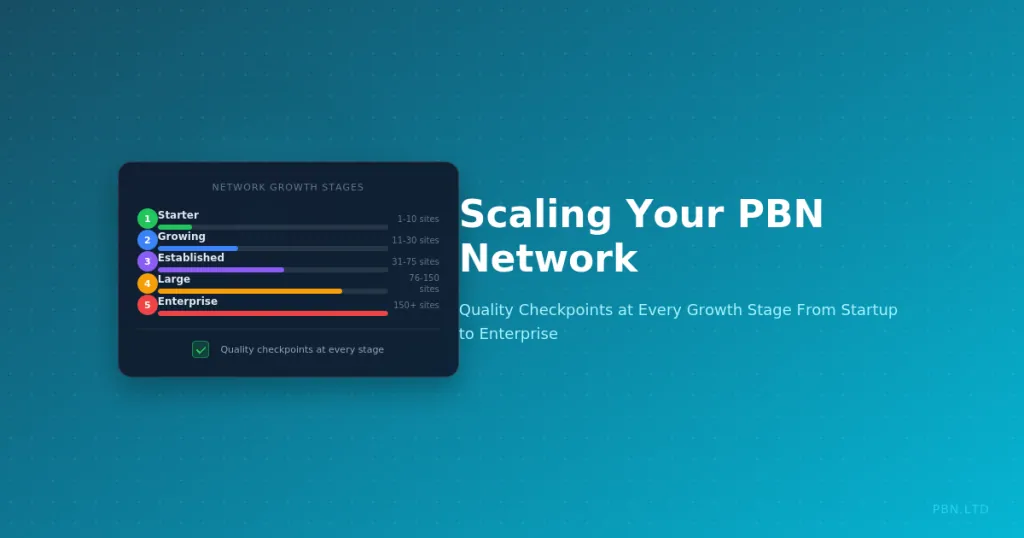
Growing a PBN network from a handful of sites to dozens or hundreds requires more than just buying more domains. Each growth stage introduces new challenges. What works for managing five sites breaks down at twenty. Processes that handle twenty sites fail at fifty. Operators who scale successfully build systems that maintain quality as volume…
Read more
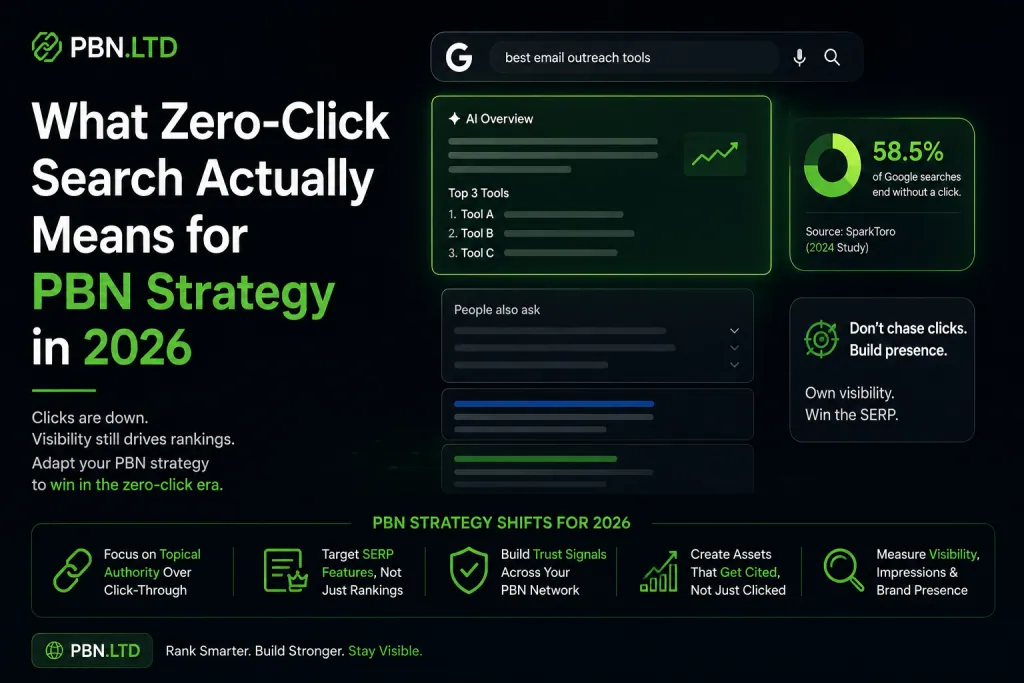
The story being told in most SEO coverage right now is one of collapse. Zero-click searches are eating the web. AI Overviews are absorbing queries that once reliably sent traffic to publisher sites. The organic channel is in terminal decline. Every headline is more catastrophic than the last. The reality, as usual, is more specific…
Read more