Yes we most certainly do! At no extra costs to our customers, we run Google indexing checks on all the PBN websites hosted with us. The way our automatic indexing checks work, is like this: How we decide whether a site is indexed: a site is only marked “not indexed” after two separate searches both…
Read more

Yes — every domain you add to your PBN LTD dashboard comes with free, unlimited email built in, at no extra cost. It’s set up automatically, so there’s nothing to request and no separate configuration: the moment your domain is on the dashboard, its full email suite is ready to use as long as the…
Read more
In June 2026, Google updated its AI search optimization guide with a line that should settle an argument the SEO industry has been having all year. Site owners, it said plainly, do not need to create machine-readable files, AI text files, markup, or Markdown to appear in Google Search — including its generative AI features…
Read more
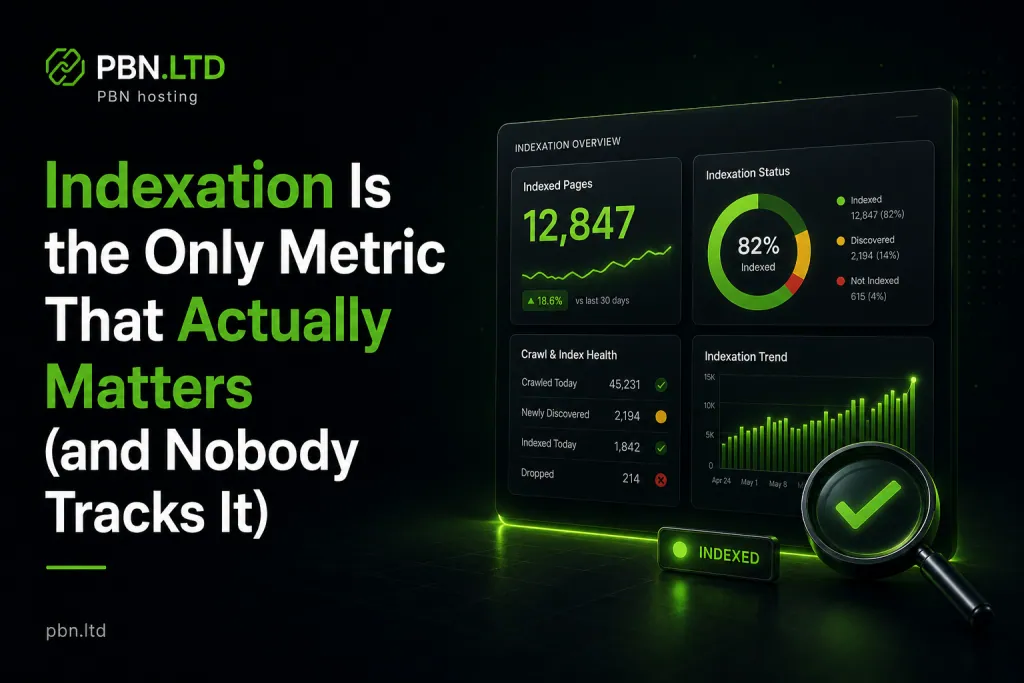
Walk into any conversation about PBN quality and you’ll hear the same vocabulary: DR, DA, TF, CF. Operators obsess over these numbers — buying domains by them, pricing links by them, filling dashboards with them, refreshing them every few months to see which sites are strong and which are weak. And those metrics do carry…
Read more
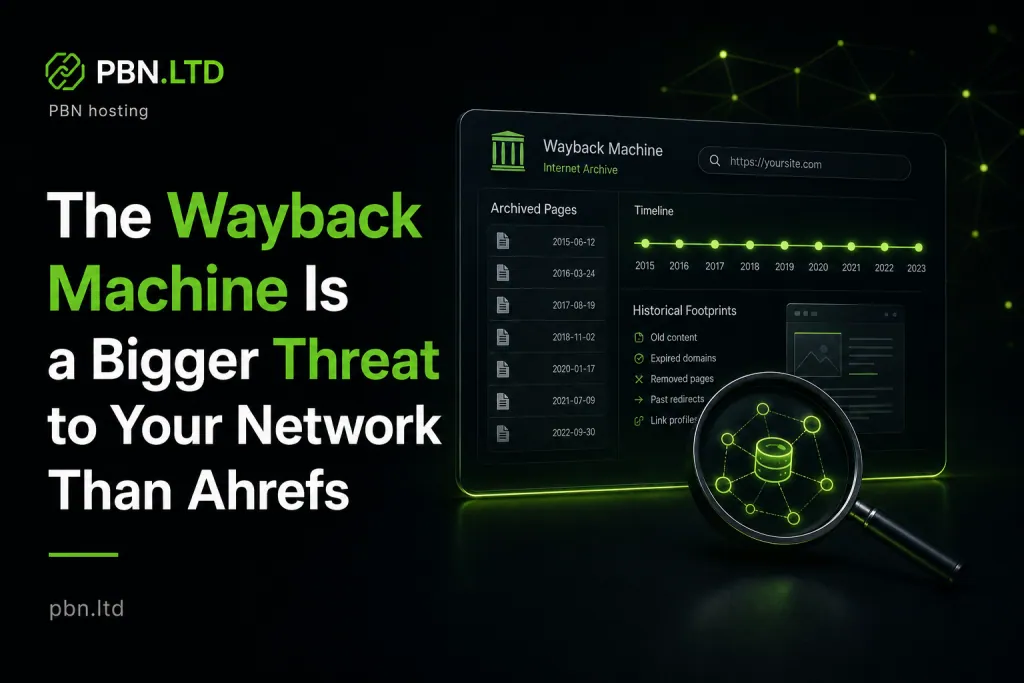
Ask a PBN operator how they protect their network from discovery and you’ll hear a lot about blocking crawlers. Block Ahrefs. Block Semrush. Block Majestic. Keep the backlink scrapers out so competitors can’t map which sites link to which money sites. It’s sensible — hiding your link graph from the commercial backlink tools genuinely does…
Read more
Everyone spent late June 2026 watching the June spam update roll out — refreshing dashboards, comparing tracking tools, arguing about who moved. It was the loud event. But the loud event wasn’t the important one. Five weeks earlier, on 15 May 2026, Google made a quiet change to the wording of its spam policy that…
Read more
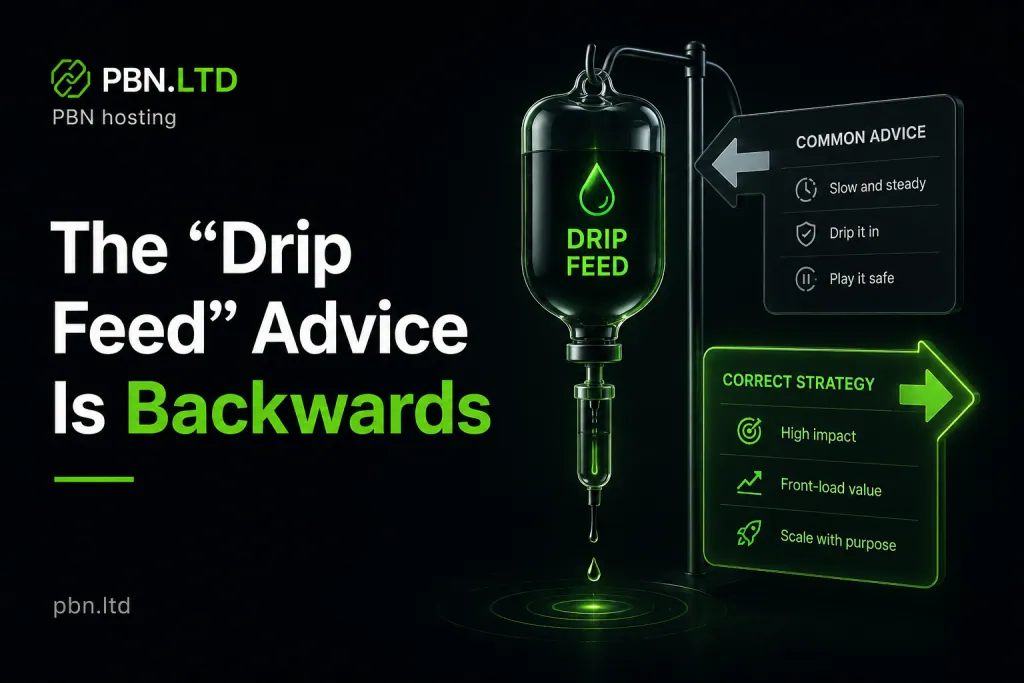
Ask almost anyone how to build links safely and you’ll get the same answer: drip feed them. Don’t dump a hundred links at once — space them out, a few a week, slow and steady, so it looks natural. It’s the single most repeated piece of link-building advice there is, and it’s not wrong exactly.…
Read more

Most operators approach anchor text one link at a time. They’ve got a money site targeting a keyword, they’re placing a PBN link, and the question in their head is: what’s the best anchor for this link? Usually the answer they reach for is the exact keyword they want to rank for, because that’s the…
Read more
For years, negative SEO was mostly a boogeyman — the fear that someone could point a pile of toxic links at your site and get you penalised. Google got good enough at ignoring unearned links that the threat largely faded. But in 2026 a genuinely effective negative-SEO weapon has emerged, and it has nothing to…
Read more
Most operators worry about the wrong failure mode. They picture the dramatic one: a manual action, a deindexed site, a penalty notice in Search Console, a sudden ranking collapse. That does happen, but it’s rare and it’s loud — you know when it happens. The far more common fate of a PBN link is quiet,…
Read more
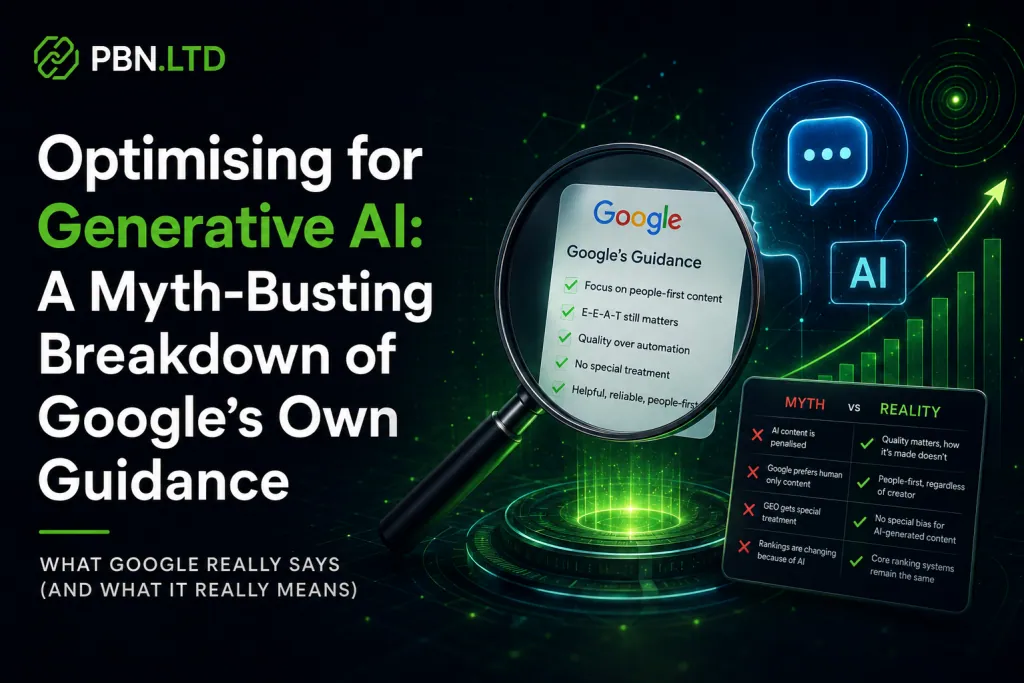
In May 2026, Google published a document a lot of people had been demanding for two years: an official help page titled ‘Optimizing your website for generative AI features on Google Search.’ It covers AI Overviews and AI Mode, and it includes a myth-busting section that named specific tactics the industry has been selling —…
Read more

2026 has been the most volatile year in Google’s history for a long time — two broad core updates, a spam update, a Discover-specific update, and stretches of unconfirmed turbulence in between. Through all of it, some sites held their ground or gained, and others lost the visibility they’d spent years building. The obvious question…
Read more
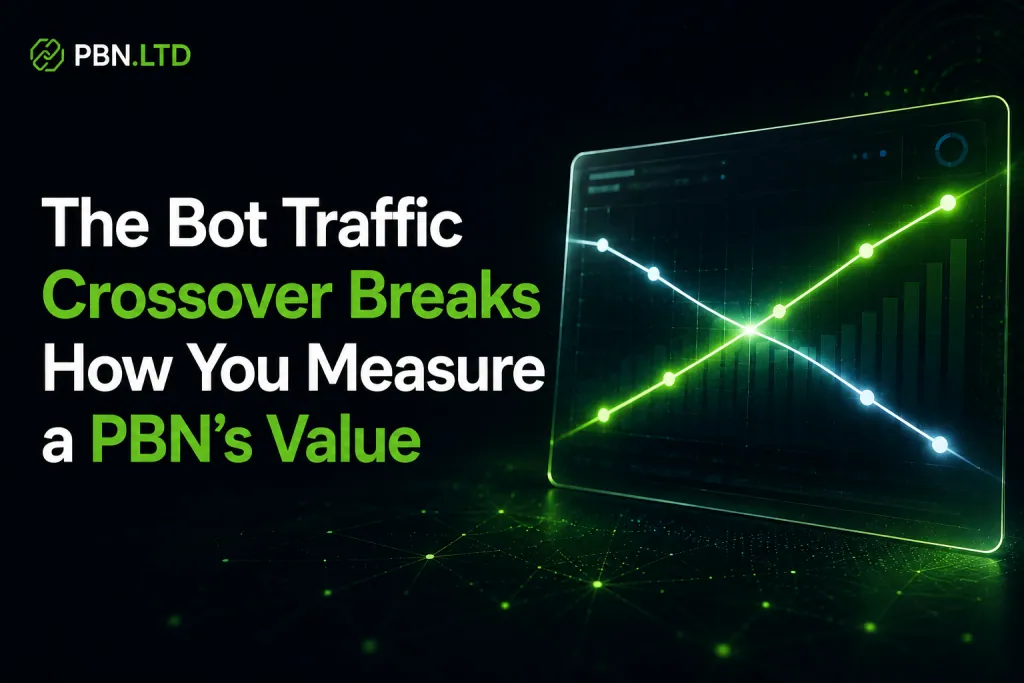
On 3 June 2026, something happened that quietly invalidated a measurement a lot of PBN operators have relied on for years. Cloudflare published data showing that, for the first time in the history of the open web, machines now generate more traffic than humans — 57.5% of HTML requests come from automated systems, against 42.5%…
Read more
There are two unreliable narrators in SEO. The first is Google, whose public statements are carefully worded, frequently incomplete, and shaped by the fact that it would prefer you didn’t manipulate its rankings at all. The second is the SEO community, whose collective wisdom is a mixture of hard-won experience, outdated folklore, superstition, and confident…
Read more

A marketing director told a story that’s become common in 2026: in a single week, three different agencies pitched her three different services. One sold ‘AIO strategy.’ One sold ‘LLMO optimisation.’ One sold ‘GEO services.’ She asked the obvious question — are these actually different things, or is everyone rebranding the same SEO package with…
Read more
Somewhere around 2019, a particular style of SEO content quietly stopped working, and a lot of people never understood why. The pages that had ranked for years by repeating a target phrase the right number of times, in the right places, at the right density, started slipping. The operators who kept writing that way assumed…
Read more
On 24 June 2026, Google began rolling out its June 2026 spam update. It applied globally and across every language, ran through SpamBrain — the AI-based spam system behind every spam update since 2022 — and finished about two days later, on 26 June. It was the second confirmed spam update of the year, after…
Read more
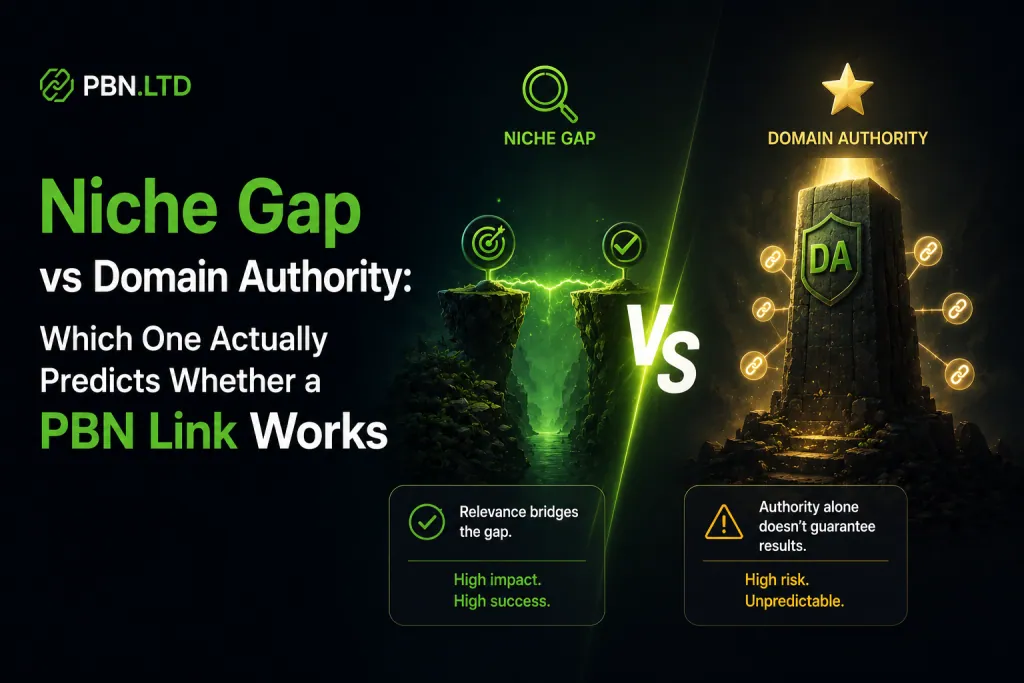
The way most PBN operators evaluate domains before acquisition follows a predictable sequence: check Domain Rating or Domain Authority, look at referring domain count, review Trust Flow, and if the numbers pass a threshold, proceed. Niche relevance — the actual topical relationship between the acquired domain and the money site it will link to —…
Read more

Every PBN operator reaches this point eventually. A site in the network drops out of Google’s index, starts showing signs of algorithmic devaluation, or simply stops behaving the way it used to. Rankings it was supporting begin to soften. The decision that follows is one of the most consequential and least-discussed in PBN management: do…
Read more
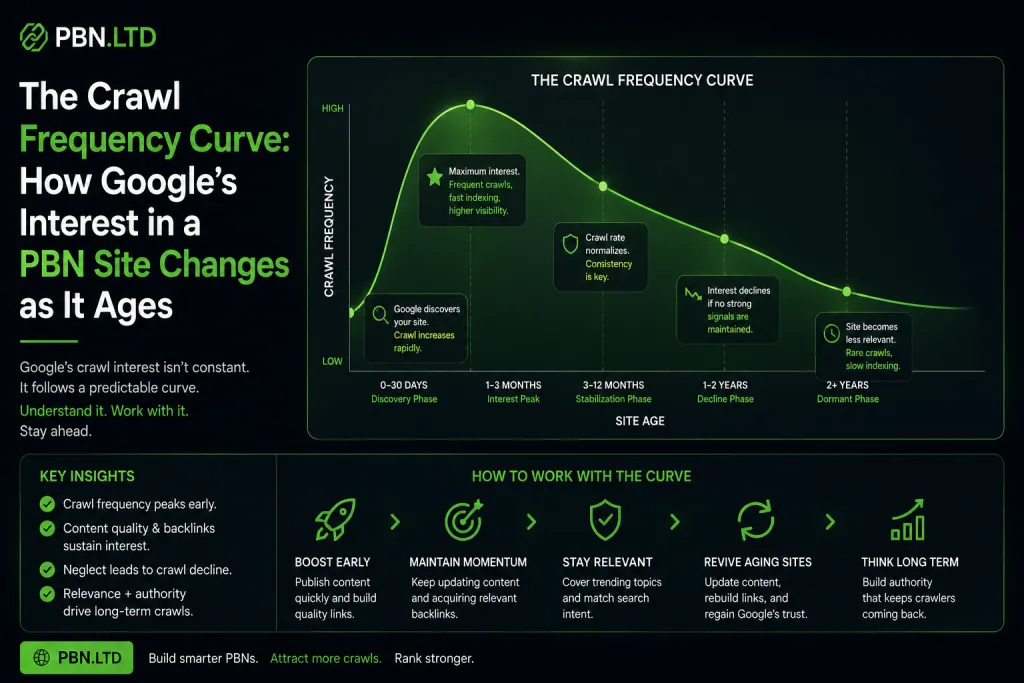
Most PBN operators think about crawl frequency as a binary — either Google is crawling a site or it isn’t. The reality is considerably more nuanced, and understanding it properly changes the way you time link deployment, manage content schedules, and maintain network sites over the long term. Crawl frequency isn’t a fixed property of…
Read more
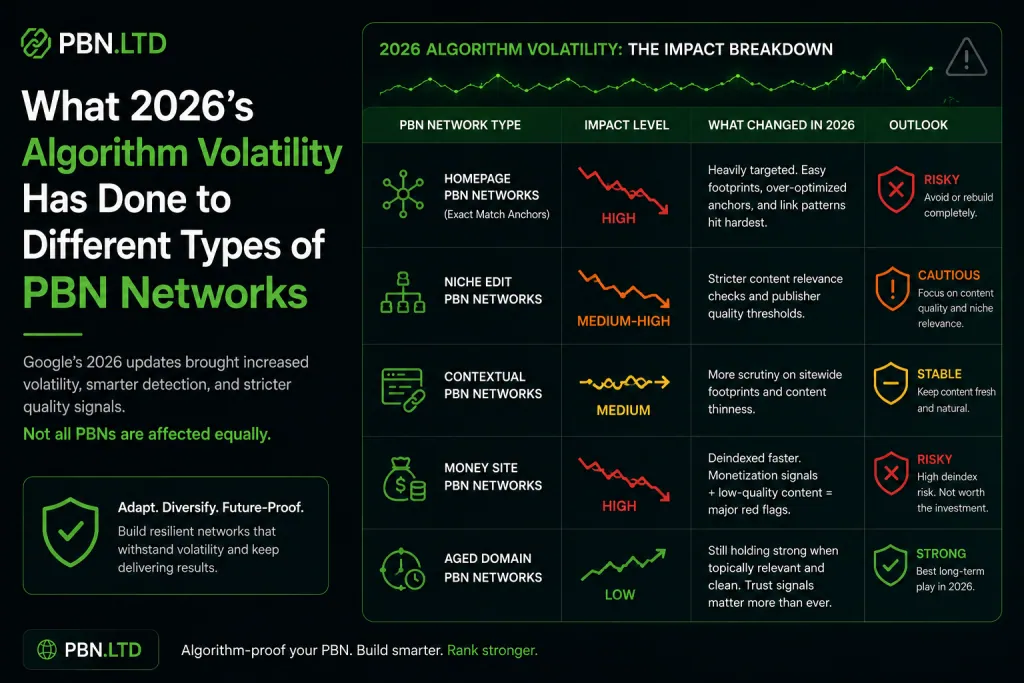
Not all networks experienced 2026’s algorithm volatility the same way. Some came through the March core update and accompanying spam enforcement with rankings intact — and in some cases improved. Others lost the majority of the link value they’d spent years accumulating, seemingly overnight. From the outside, these might look like equivalent operations: a collection…
Read more
Core updates are supposed to end. Google flips the status to complete, the search results settle into their new shape, and site owners finally get a stable picture to measure against. That is the textbook sequence — and it is not what has happened since the May 2026 core update finished rolling out on 2…
Read more
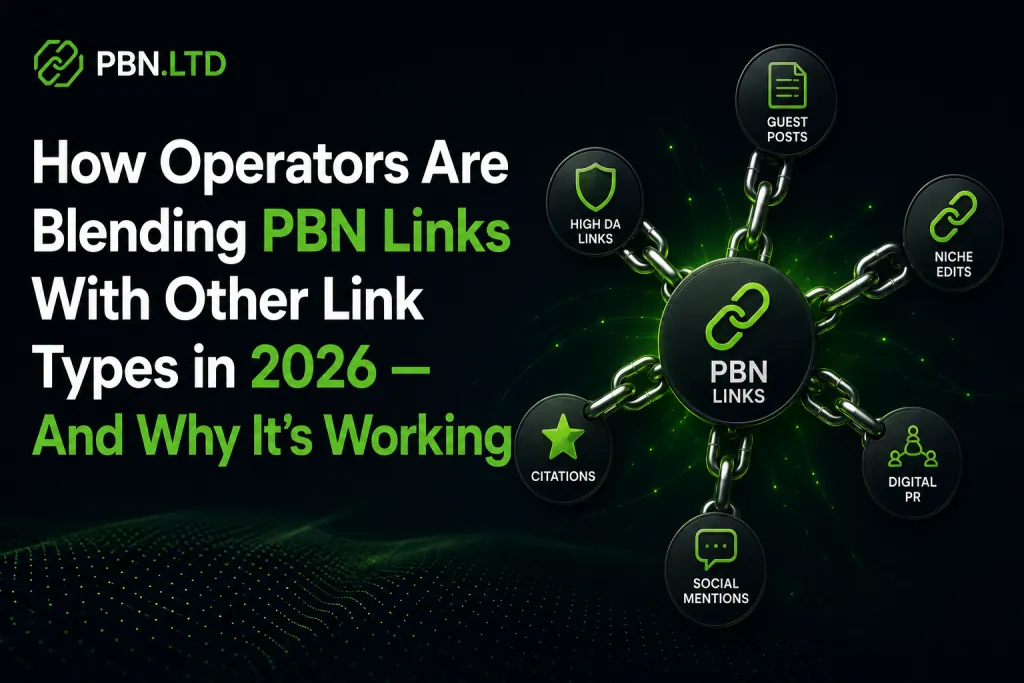
The SEO operators performing most consistently through 2026’s algorithm volatility are not the ones who abandoned PBN links, nor the ones who rely on them exclusively. They’re the ones running blended link profiles — combining PBN links with niche edits, guest posts, digital PR, and entity-building citations in deliberate proportions, each type contributing something the…
Read more
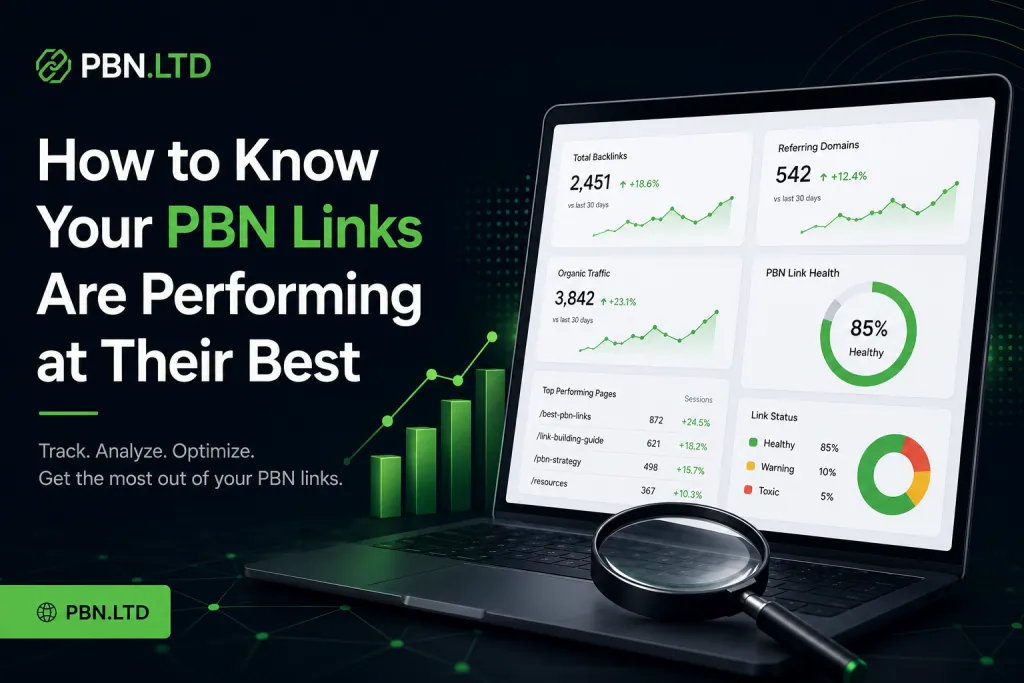
There is a significant gap between a PBN link existing and a PBN link performing. Most operators close the loop at deployment — the article is published, the link is in place, the job is done. What happens between that moment and any ranking improvement on the money site involves a chain of events that…
Read more