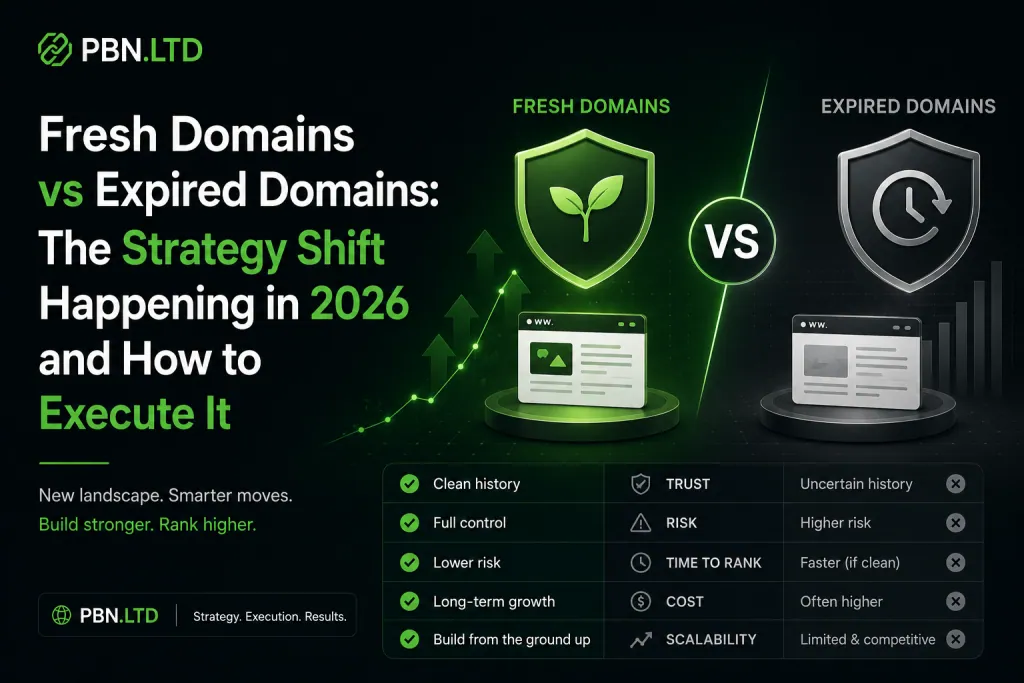
For most of PBN history, the question of which domains to build on had a straightforward answer. You bought expired domains with backlink profiles, restored the content, and let inherited authority do the heavy lifting. The strategy was logical, widely documented, and — when executed with genuine care — genuinely effective. In 2026, something has…
Read more
Last updated: 5 June 2026 • Status: Rollout complete (confirmed 2 June 2026) The Google May 2026 core update was the most volatile broad core update of the year so far — described by multiple senior practitioners as significantly heavier than the March 2026 update that preceded it. It launched during one of the busiest…
Read more
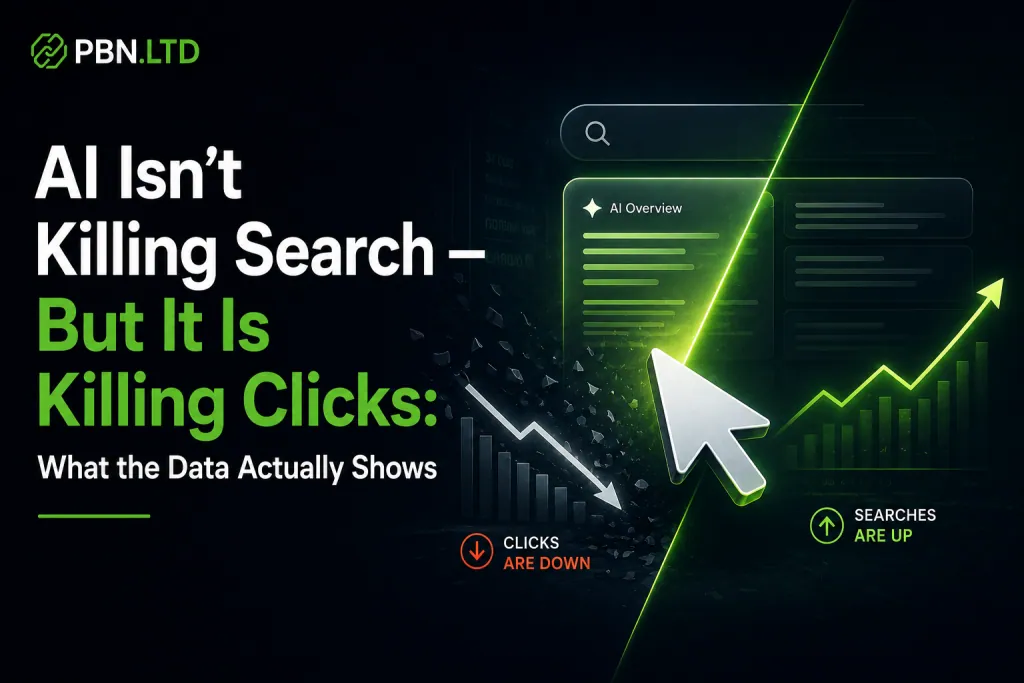
Two parallel conversations are happening in SEO simultaneously, and they’re producing contradictory conclusions. In one conversation, AI is destroying search. Google’s days of dominance are numbered, ChatGPT is eating its lunch, and anyone who still builds link strategies for organic rankings is optimising for a channel in terminal decline. In the other conversation, search is…
Read more
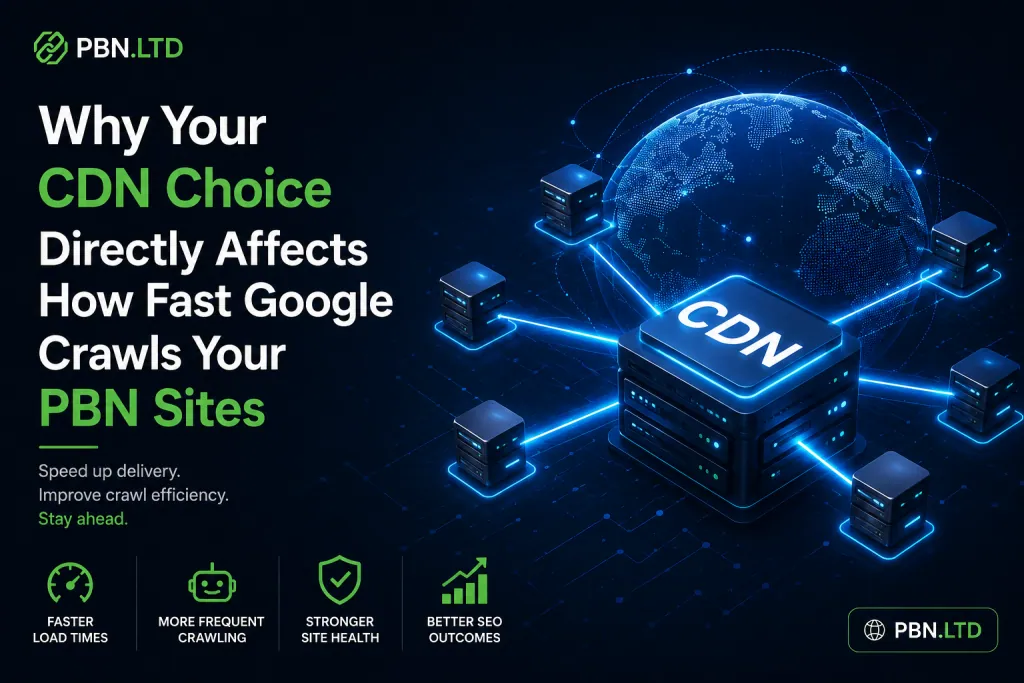
Most PBN operators think about CDNs as a footprint tool. Distribute sites across different CDN providers, avoid common IP patterns, stay away from hosting clusters — these are the standard reasons CDN infrastructure is discussed in PBN contexts. They’re all valid. But there’s a more direct performance reason to care about CDN choice that gets…
Read more
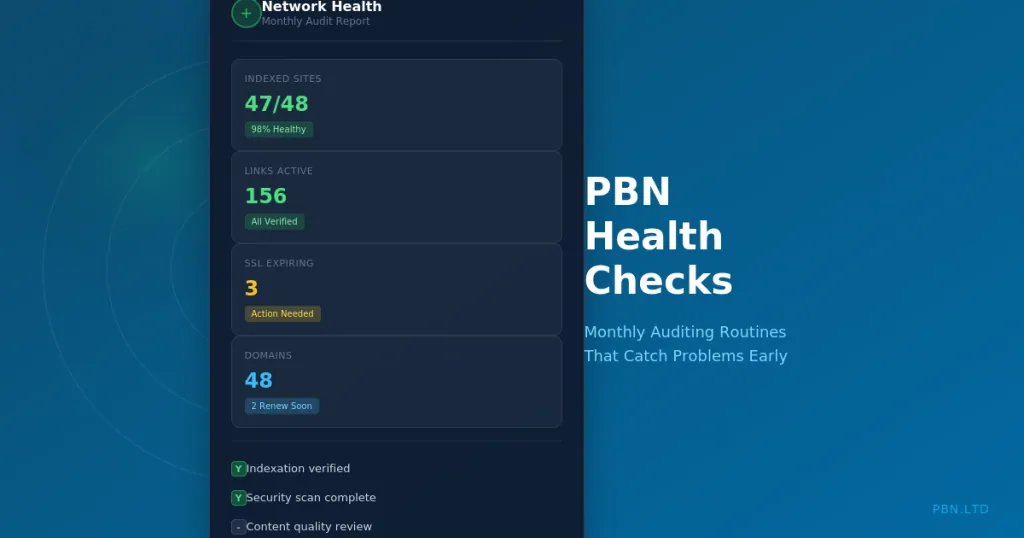
Networks decay. Sites lose indexation. Domains expire. Links break. Content becomes outdated. Security vulnerabilities appear. Without systematic monitoring, small problems become catastrophic failures before anyone notices. The operators who maintain effective PBN networks for years share one common practice: regular health checks. They catch problems early when solutions are simple and cheap. They never discover…
Read more
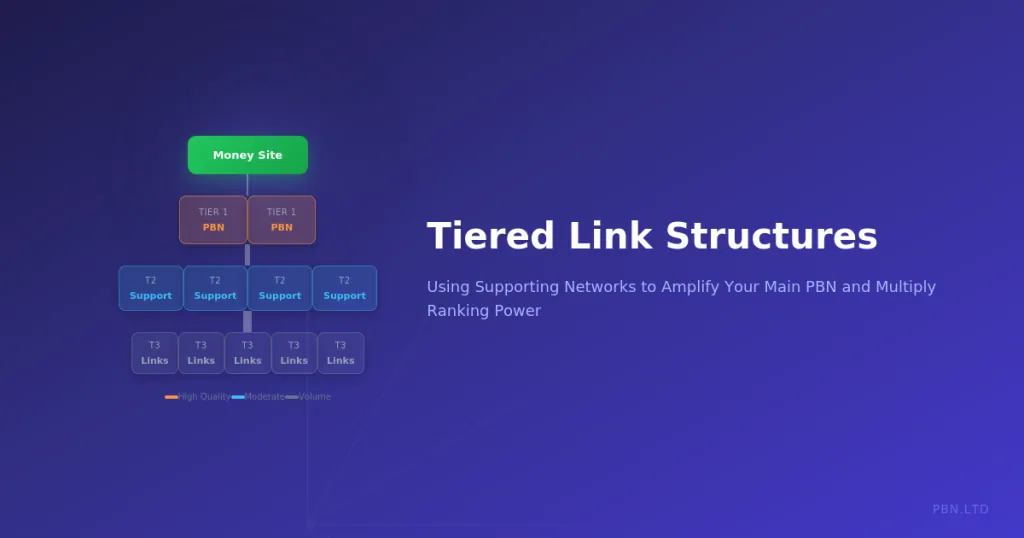
A PBN site linking directly to your money site is only as powerful as its own authority allows. Sites with weak backlink profiles pass limited value regardless of how well they are built. Tiered link structures solve this by building supporting networks that strengthen your main PBN sites. The concept is straightforward. Tier one sites…
Read more
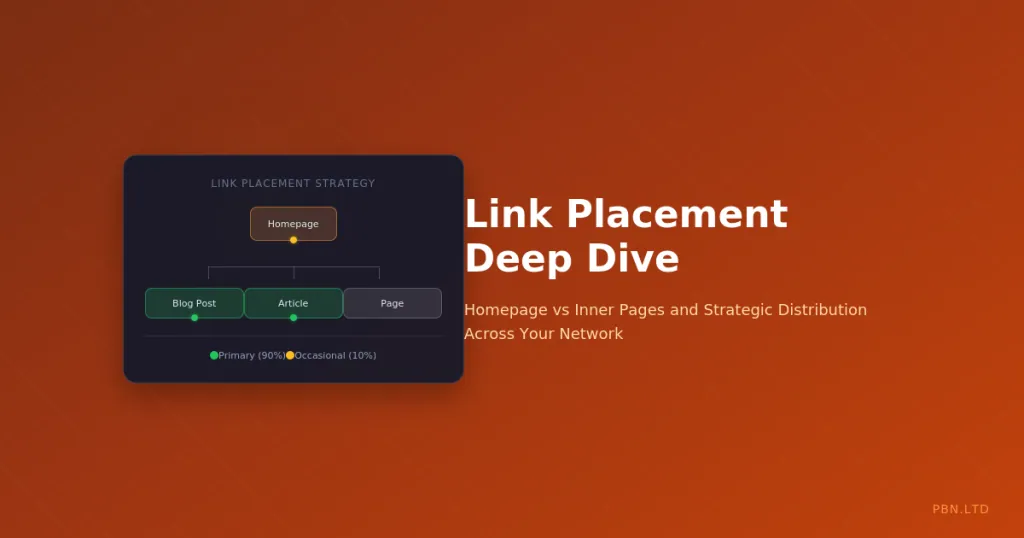
Where you place links on PBN sites affects their value, their detectability, and their long-term sustainability. A link from the homepage carries different weight than a link buried in a three-year-old blog post. A link in the main content differs from a link in the sidebar. Understanding link placement strategy helps you extract maximum value…
Read more
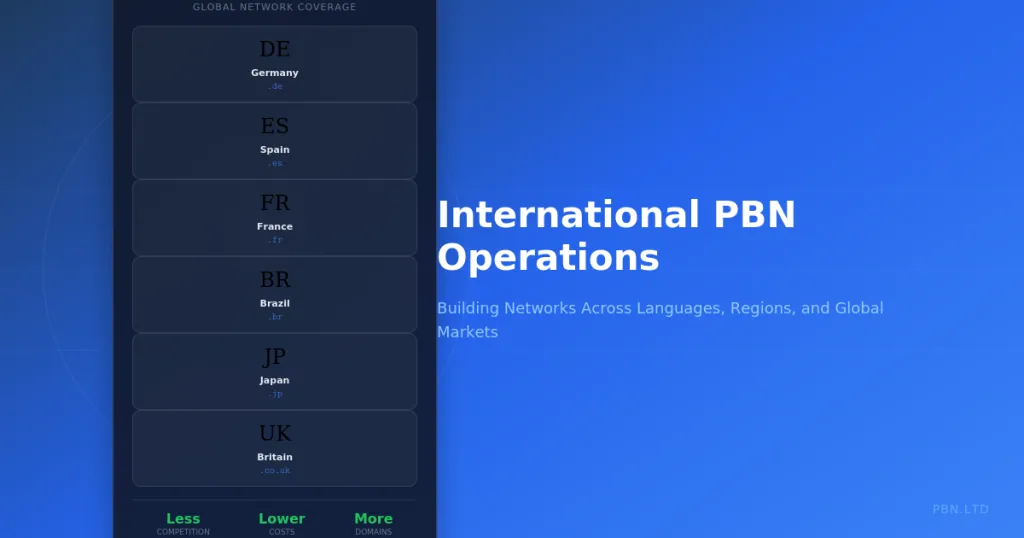
English-language PBNs dominate discussions about private blog networks, but enormous opportunities exist in other languages and regions. International markets often have less competition, more available domains, and lower costs while serving money sites targeting global audiences. Building international PBN networks introduces unique challenges. Language barriers affect content creation. Regional domain markets operate differently. Cultural considerations…
Read more
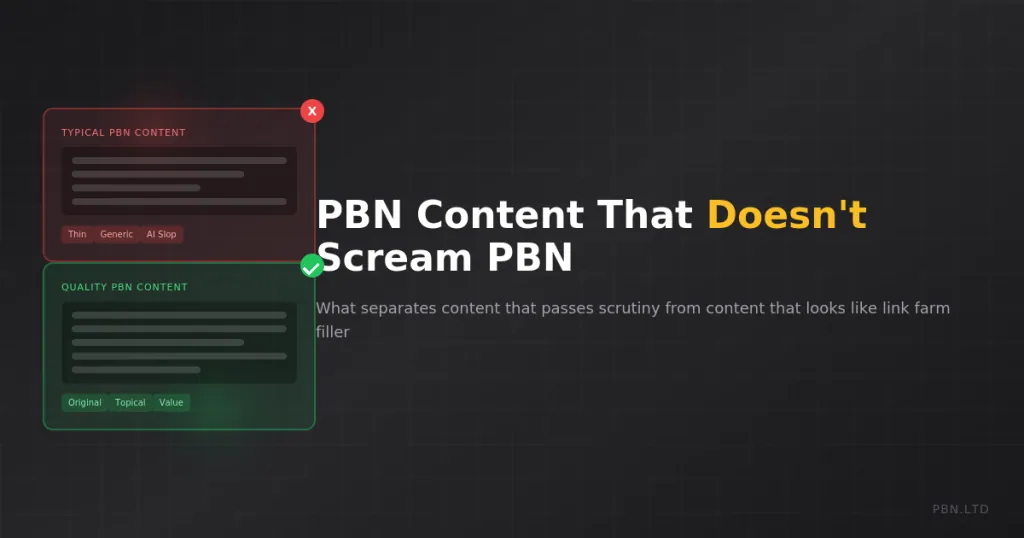
You can spot a PBN site in seconds. Generic stock photos. Thin articles that say nothing. Random topics with no coherence. A single outbound link to some commercial page that has nothing to do with anything else on the site. If you can spot it, so can Google. And so can the manual reviewers who…
Read more

Your choice of domain registrar affects PBN security, operational efficiency, and long-term costs. Different registrars offer varying levels of privacy protection, pricing structures, and management features. Some registrars actively support privacy-conscious users while others expose owner information or impose restrictive policies. For PBN operators, registrar selection extends beyond simple domain registration. You need to consider…
Read more
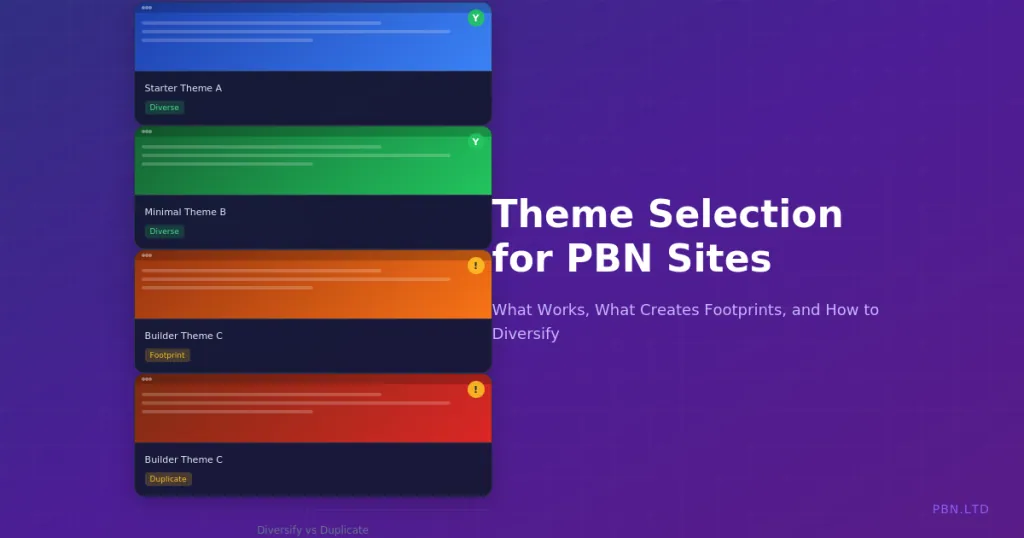
Every WordPress theme leaves traces. The HTML structure, CSS class names, JavaScript libraries, and meta tags all create signatures that can be detected and compared. When multiple sites share the same theme, that shared signature becomes a potential footprint connecting them. Theme selection for PBN sites requires balancing multiple concerns. You need themes that work…
Read more
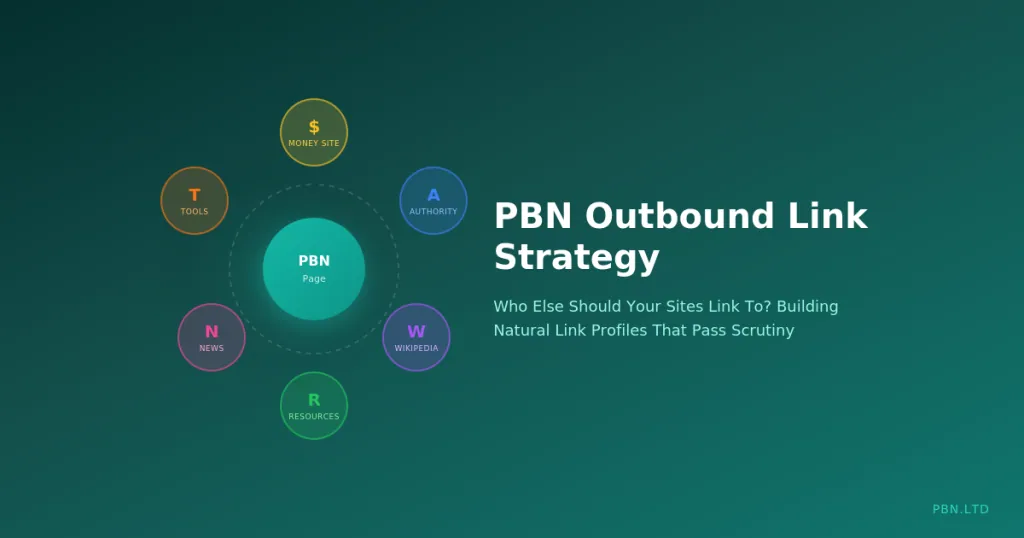
A PBN page with a single outbound link to your money site is a red flag. Real websites link to multiple sources. Real content references various authorities, resources, and related information. A page that links to exactly one commercial site and nothing else screams manipulation. Strategic outbound linking makes your PBN sites look legitimate while…
Read more
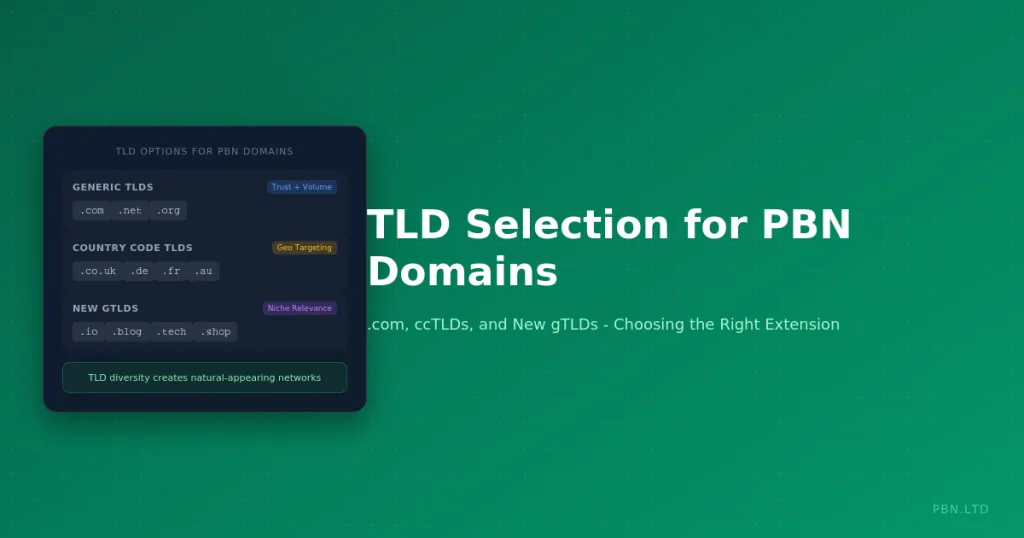
The top-level domain you choose for PBN sites affects perceived legitimacy, geographic targeting, availability, and cost. While .com remains the default choice for many operators, country-code TLDs and newer generic TLDs offer advantages worth considering. TLD selection also impacts footprint management. Networks composed entirely of .com domains look different from networks with TLD diversity. Understanding…
Read more

Domain age remains one of the most discussed and most misunderstood factors in SEO. Operators chase aged domains assuming older automatically means better. But the relationship between domain age and ranking power is more nuanced than simple years-since-registration. Trust signals extend far beyond age. Google evaluates domains through multiple dimensions that together indicate whether a…
Read more
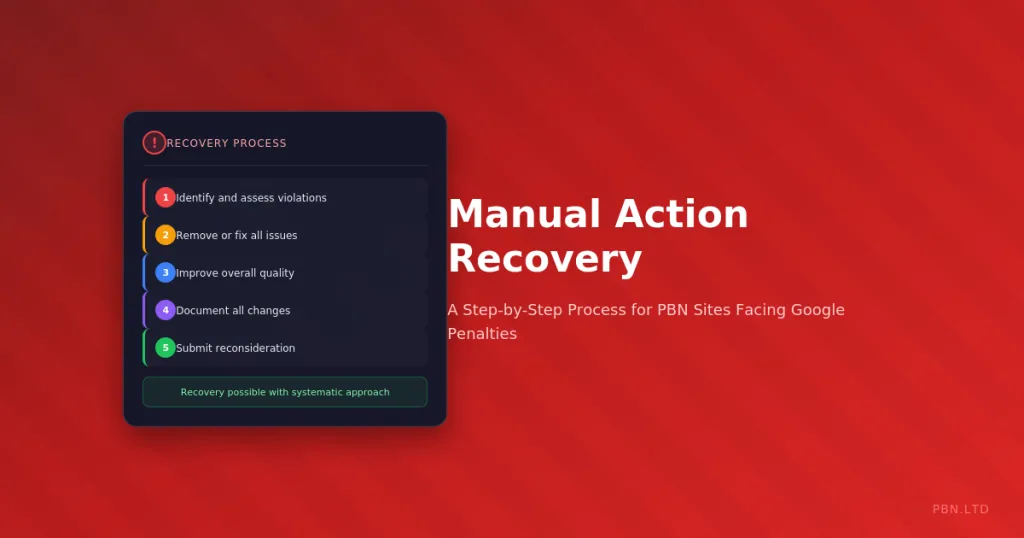
Manual actions represent Google’s explicit determination that a site violates their guidelines. Unlike algorithmic penalties that happen automatically, manual actions involve human reviewers flagging specific violations. For PBN operators, manual actions on network sites can devastate link value and require careful recovery efforts. Recovery is possible but not guaranteed. Success depends on understanding what triggered…
Read more
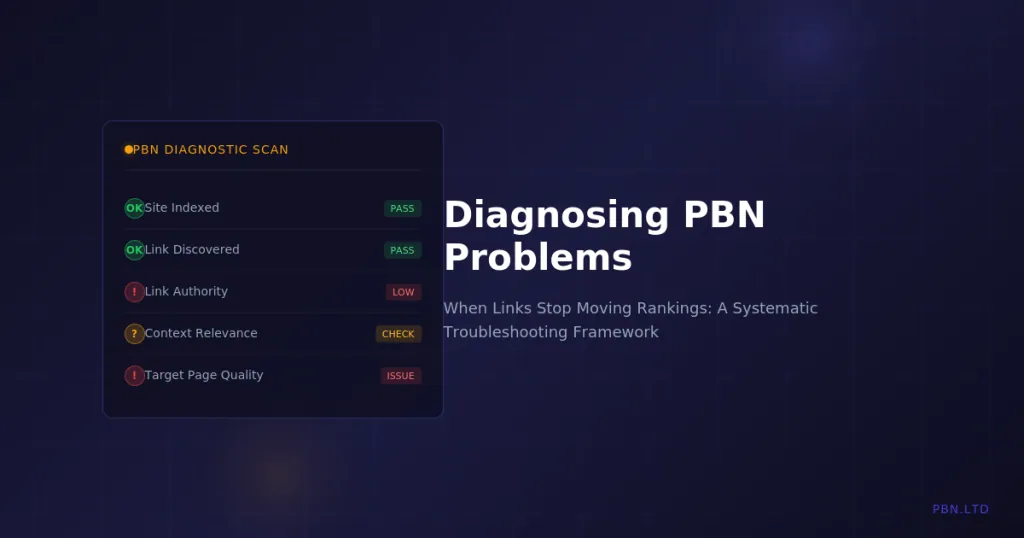
You built the links. You waited. Nothing happened. Or worse, it worked for months, then stopped. Rankings plateaued or dropped. The PBN links that once moved needles now seem to do nothing at all. This is one of the most frustrating situations in SEO. You know you have link equity pointing at your pages. You…
Read more
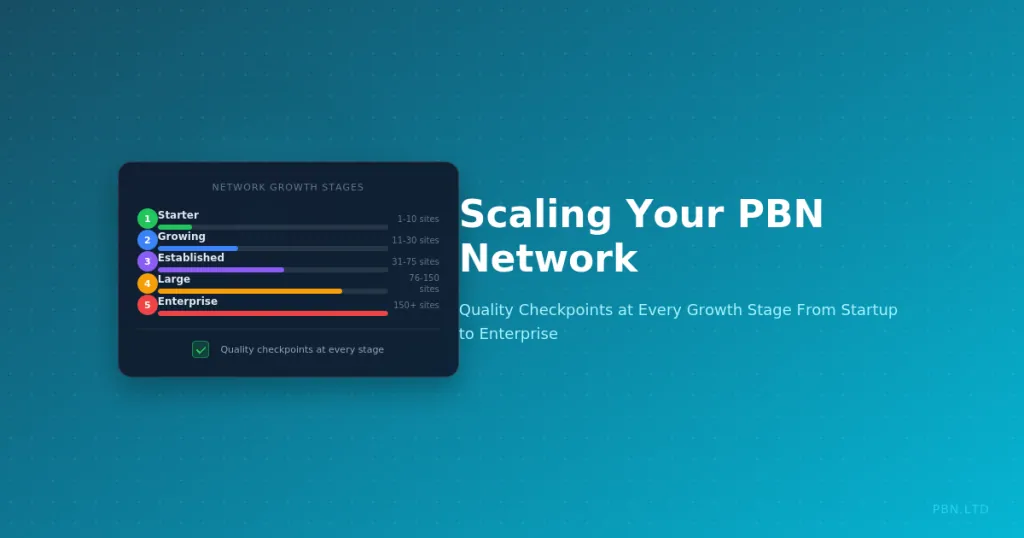
Growing a PBN network from a handful of sites to dozens or hundreds requires more than just buying more domains. Each growth stage introduces new challenges. What works for managing five sites breaks down at twenty. Processes that handle twenty sites fail at fifty. Operators who scale successfully build systems that maintain quality as volume…
Read more

If you’ve ever launched a token, announced a partnership, or shipped a serious protocol upgrade, you already know the problem: the crypto news cycle moves in hours, not weeks. By the time your news reaches mainstream finance media — if it ever does — it’s already been buried by the next twelve announcements. Crypto and…
Read more

When Google’s crawler hits a page on cloud.google.com, aws.amazon.com or azure.microsoft.com, something interesting happens at the algorithmic level. These aren’t just high-DA domains — they’re infrastructure that Google itself runs on, that powers a meaningful portion of the live web, and that has effectively unlimited crawl priority. A backlink from one of these platforms is…
Read more

Somewhere between the launch of GPT-4 and the rollout of Google’s AI Overviews, the entire purpose of a press release quietly changed — and almost nobody in the legacy PR industry noticed. For two decades, distribution success was measured in pickups: how many sites republished your release, how many syndication feeds carried it, how big…
Read more
If you’ve been buying backlinks for any length of time, you already know the dirty secret of the cheap-guest-post industry: most “DR 50+ guest post” packages are placements on private blog networks dressed up to look like editorial sites. The DR is real (those domains do have inflated metrics), but the traffic is zero, the…
Read more

Blogroll backlinks are one of the most underrated tools in the PBN operator’s kit. While the bulk of the SEO industry obsesses over single contextual placements, a sitewide blogroll link drops your URL into the sidebar of every single page on a PBN domain — homepage, every category, every post, every archive. One placement, hundreds…
Read more
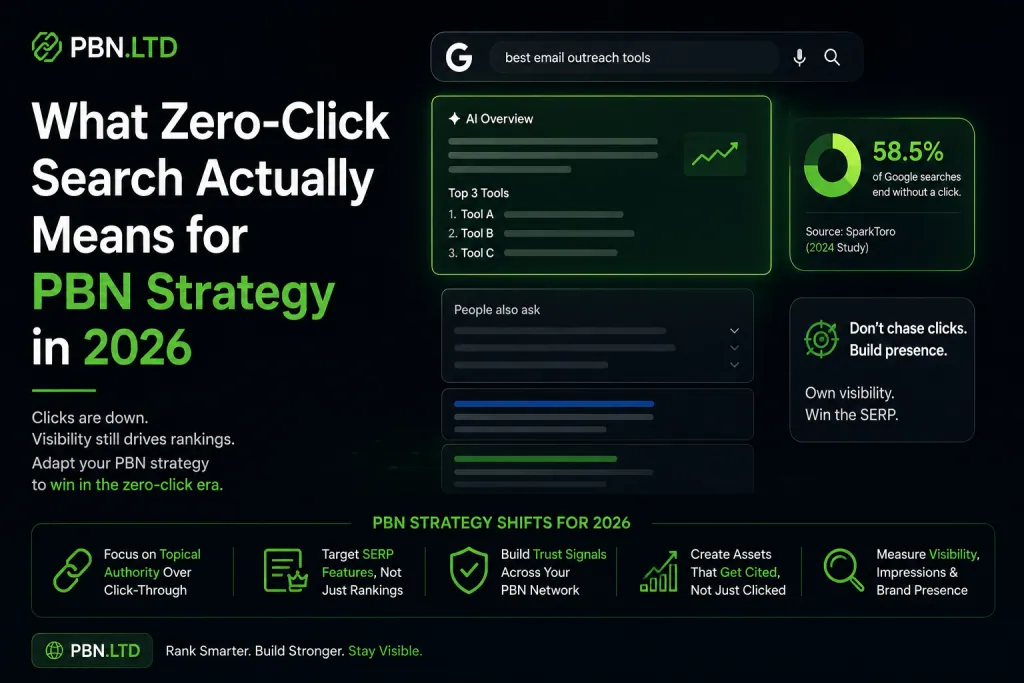
The story being told in most SEO coverage right now is one of collapse. Zero-click searches are eating the web. AI Overviews are absorbing queries that once reliably sent traffic to publisher sites. The organic channel is in terminal decline. Every headline is more catastrophic than the last. The reality, as usual, is more specific…
Read more

Every plugin you install on a PBN site represents a trade-off. Plugins add functionality but also add weight, complexity, potential security vulnerabilities, and detectable footprints. The ideal plugin stack provides essential functionality with minimal overhead and risk. PBN sites have different requirements than typical WordPress sites. They need to appear legitimate, load quickly, remain secure,…
Read more